
BOARD CERTIFIED &
FELLOWSHIP TRAINED
We’re committed to clinical research and the development of new therapeutic and diagnostic capabilities.
EXPERTS WHO CARE
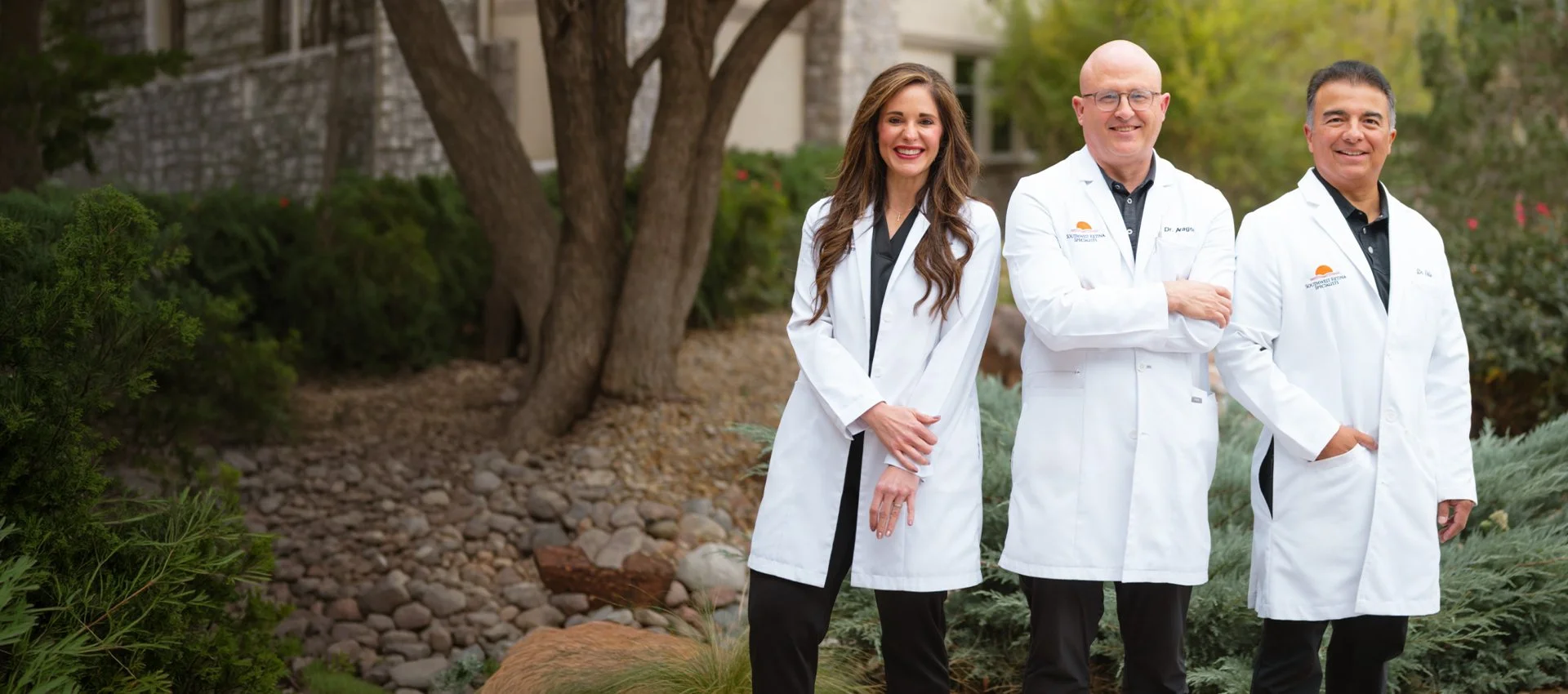
Led by J. Edward Ysasaga, M.D., Antonio V. Aragon, II, M.D., and Jennifer R. Gallagher, M.D. Our physicians have each completed ophthalmology residencies and vitreoretinal surgery fellowships, and are board-certified by the American Board of Ophthalmology. We’re committed to clinical research and the development of new therapeutic and diagnostic capabilities.
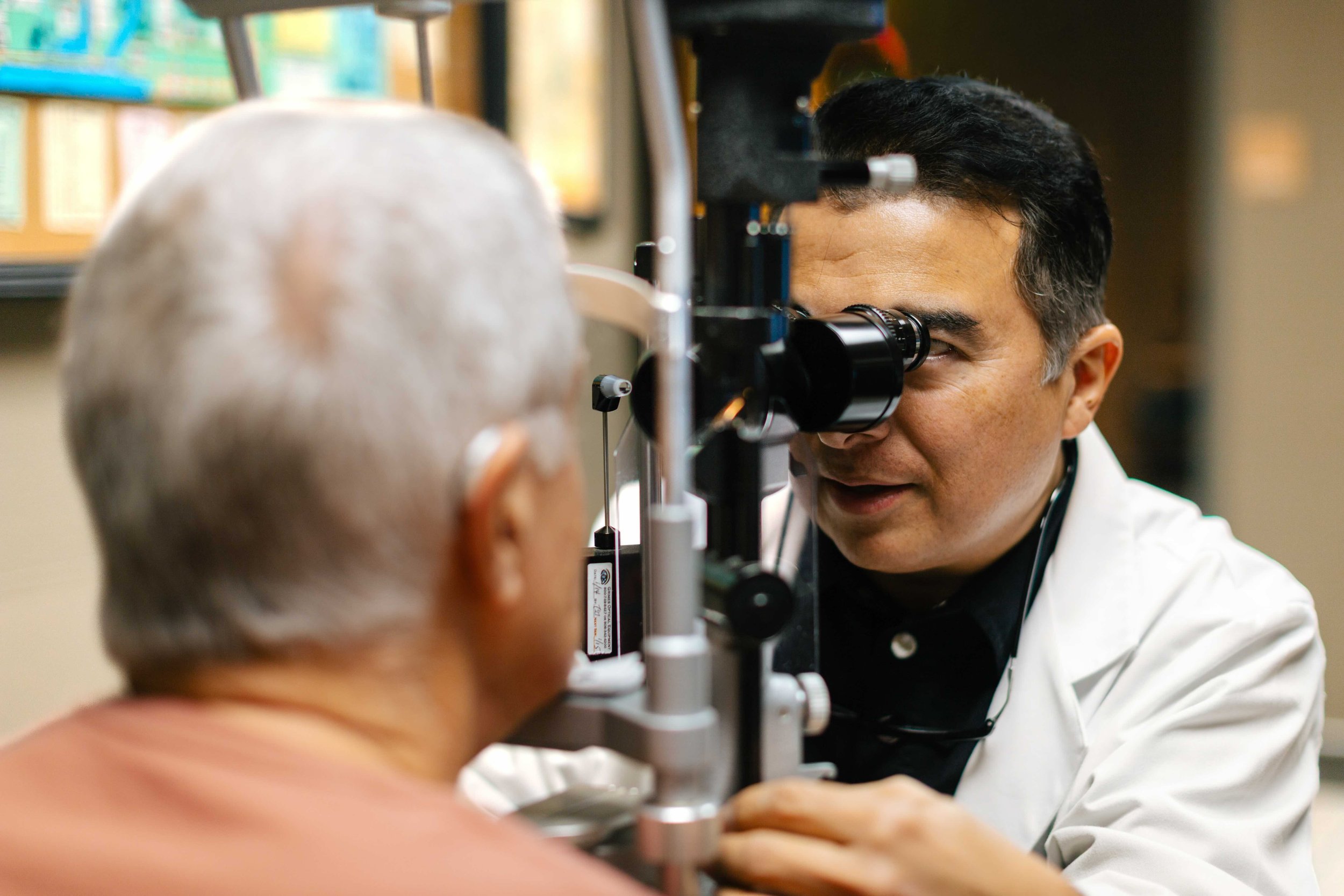
Our fellowship-trained, board-certified surgeons provide advanced surgical retinal care using the most advanced surgical equipment and techniques today.
-
Valeda Light Therapy
Valeda light therapy is a noninvasive treatment that supports retinal health using carefully calibrated light stimulation. By delivering specific wavelengths of light, it helps improve cellular function and energy production in retinal cells. This patient-friendly therapy offers a promising option for managing chronic retinal conditions without injections or surgery.
-
Retinal Surgeries
Our fellowship-trained, board-certified surgeons provide advanced surgical retinal care using the most advanced surgical equipment and techniques today. Our surgeons draw on years of specialized training and experience to address even the most complex retinal issues, working to restore and protect your vision.
-
Macular Degeneration
Dry macular degeneration is a common eye disorder among people over 50. It causes blurred or reduced central vision due to thinning of the macula.
Wet macular degeneration is less common but can cause central vision loss if not treated in a timely manner.
-
Diabetic Retinopathy
Diabetic retinopathy is a diabetes complication that affect the eyes. It’s caused by damage to the blood vessels of the light-sensitive tissue at the back of the eye (retina). At first, diabetic retinopathy might cause no symptoms or only mild vision problems. Left untreated it can cause permanent vision loss.
-
Retinal Detachement
A retinal detachment is an emergency. Tissue at the back of the eye pulls away from a layer of blood vessels that provide necessary oxygen and nourishment. The appearance of many bits of debris (floaters), sudden flashes of light, or a shadow in the peripheral vision can all be symptoms.
-
Macular Holes
Macular Pucker, Epiretinal Membrane (ERM), Cellophane Retinopathy, Macular Holes. All of these relate to a very thin layer of tissue that can grow and pull on the macula, causing blurred vision and sometimes blank spots to form in the center of vision. This is the vision that is used to read and drive.